 Work Package 1 – Programme Selection
The starting point in work package 1 was the I-PARC repository of evidence-based community physical activity programmes. Rather than I-PARC simply selecting a programme for each site, the site first identified the local setting/location and target population it wanted to address. This narrowed the range of potentially suitable programmes in the repository.
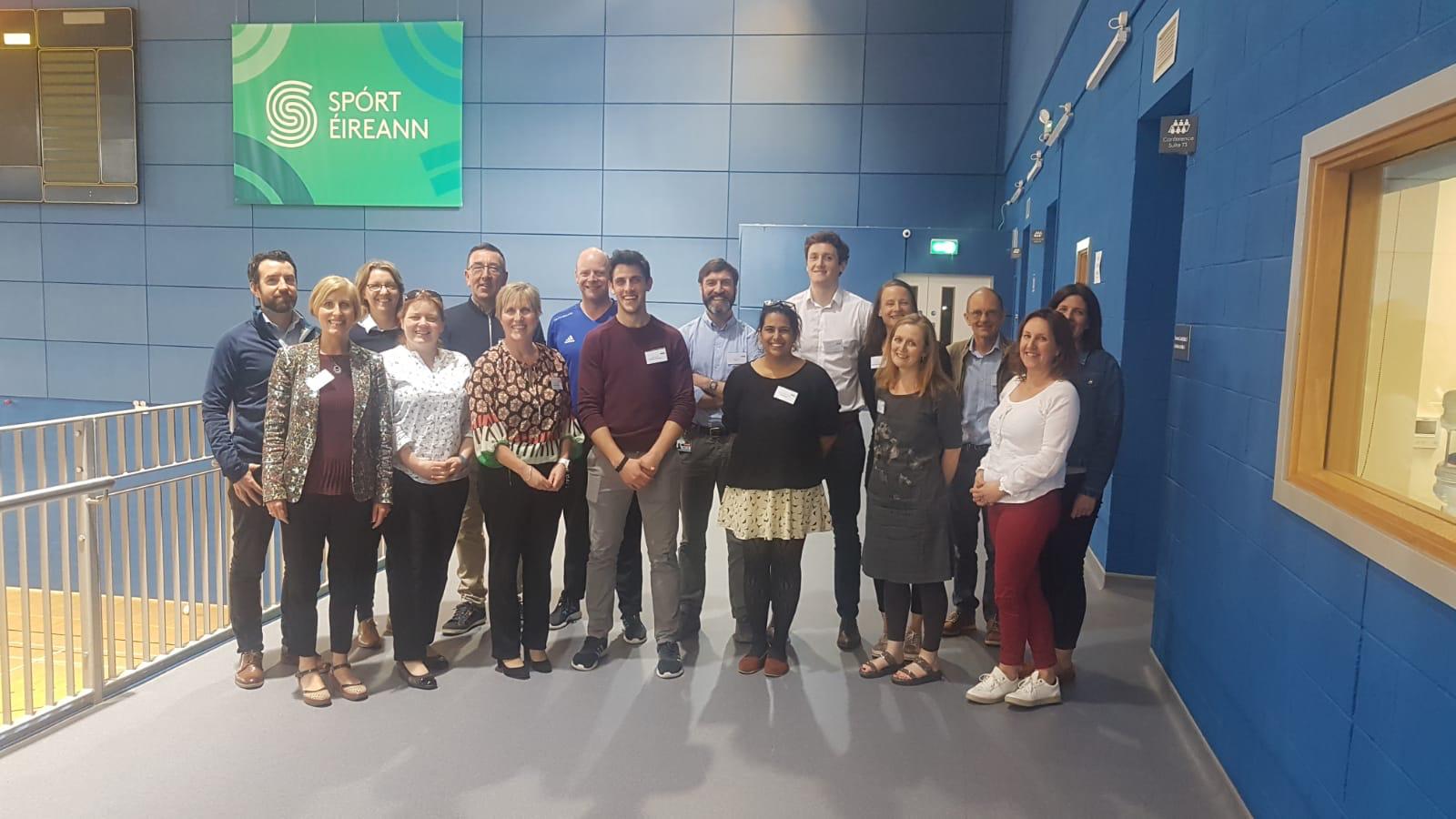
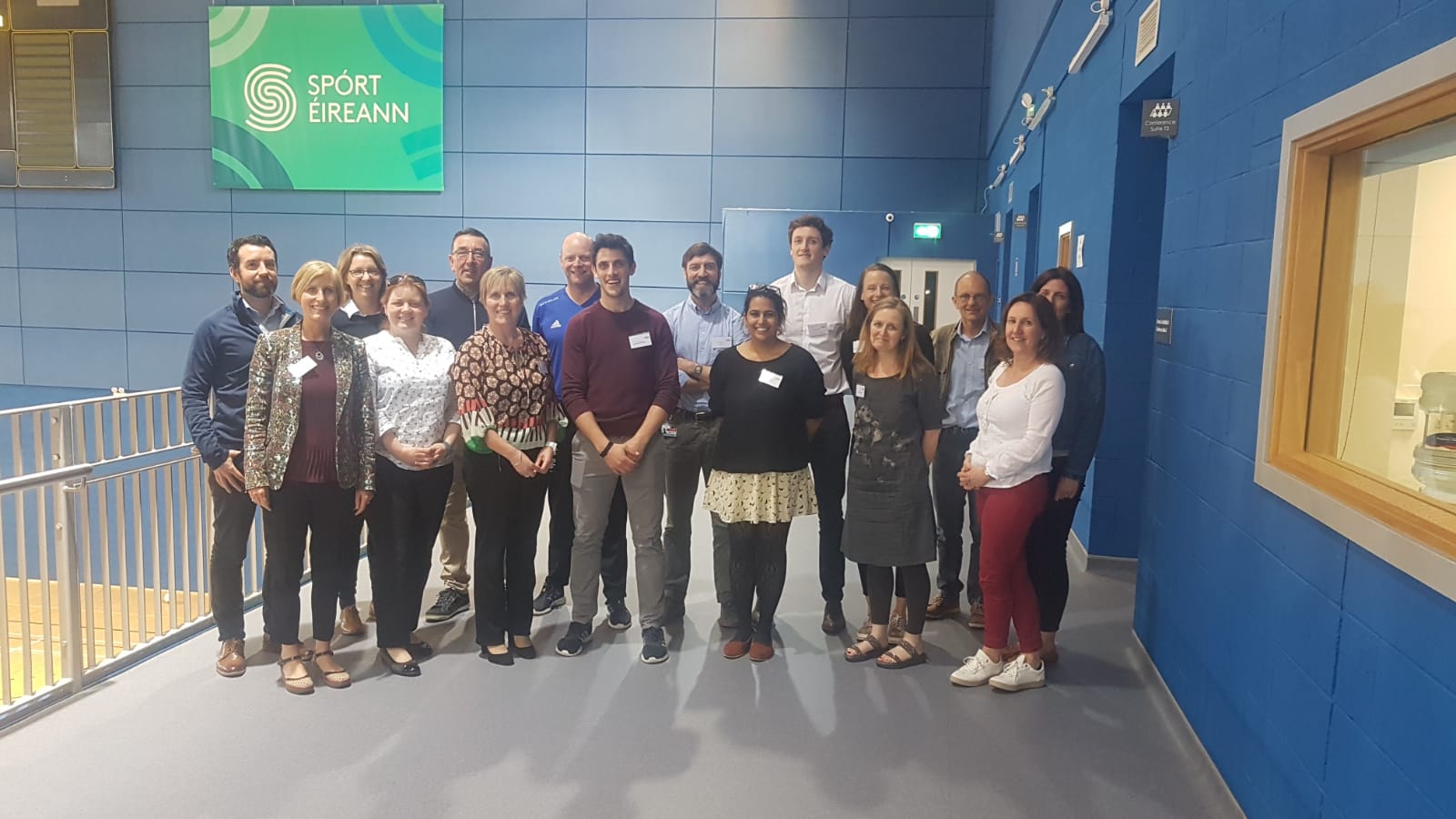
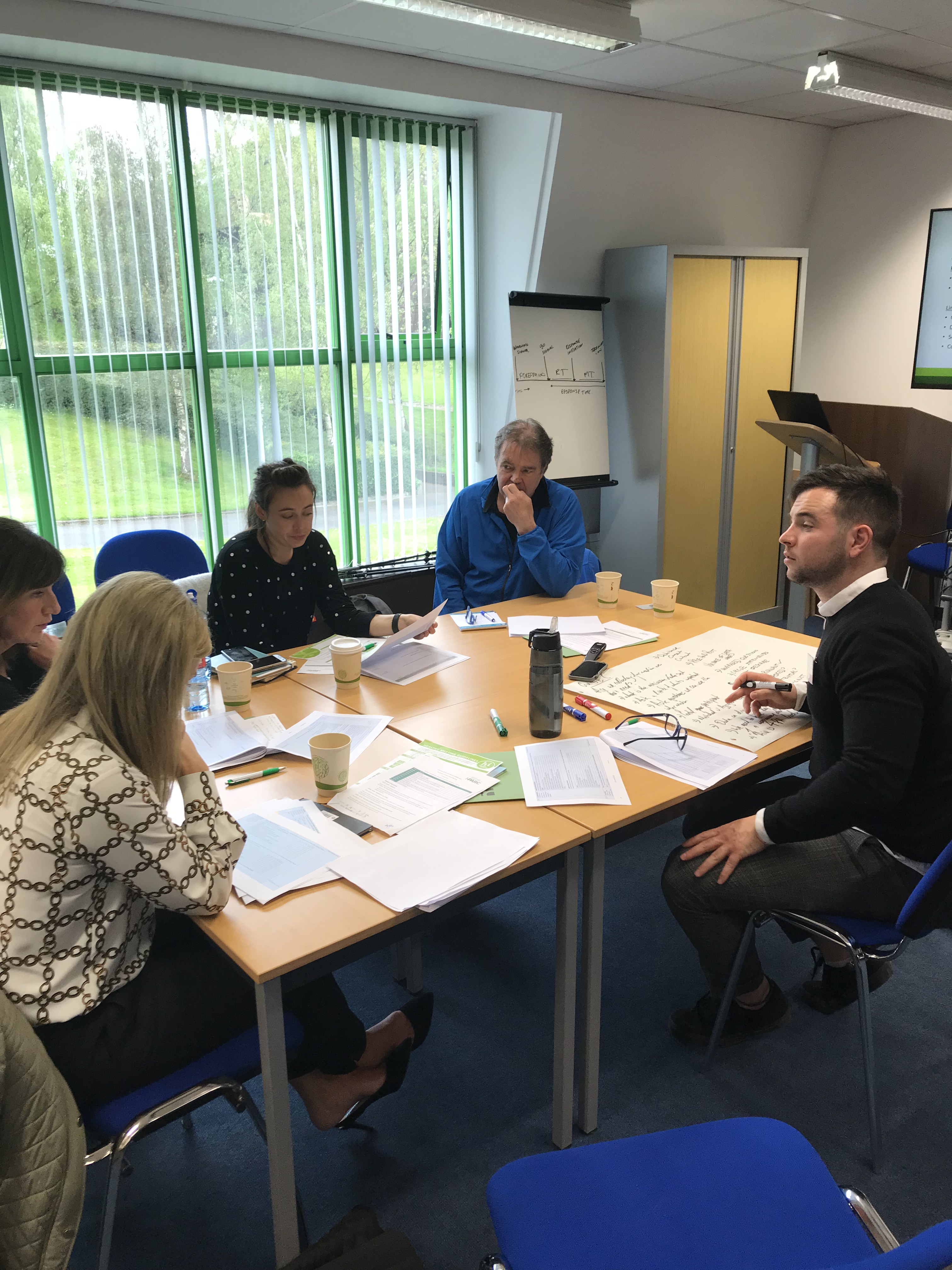
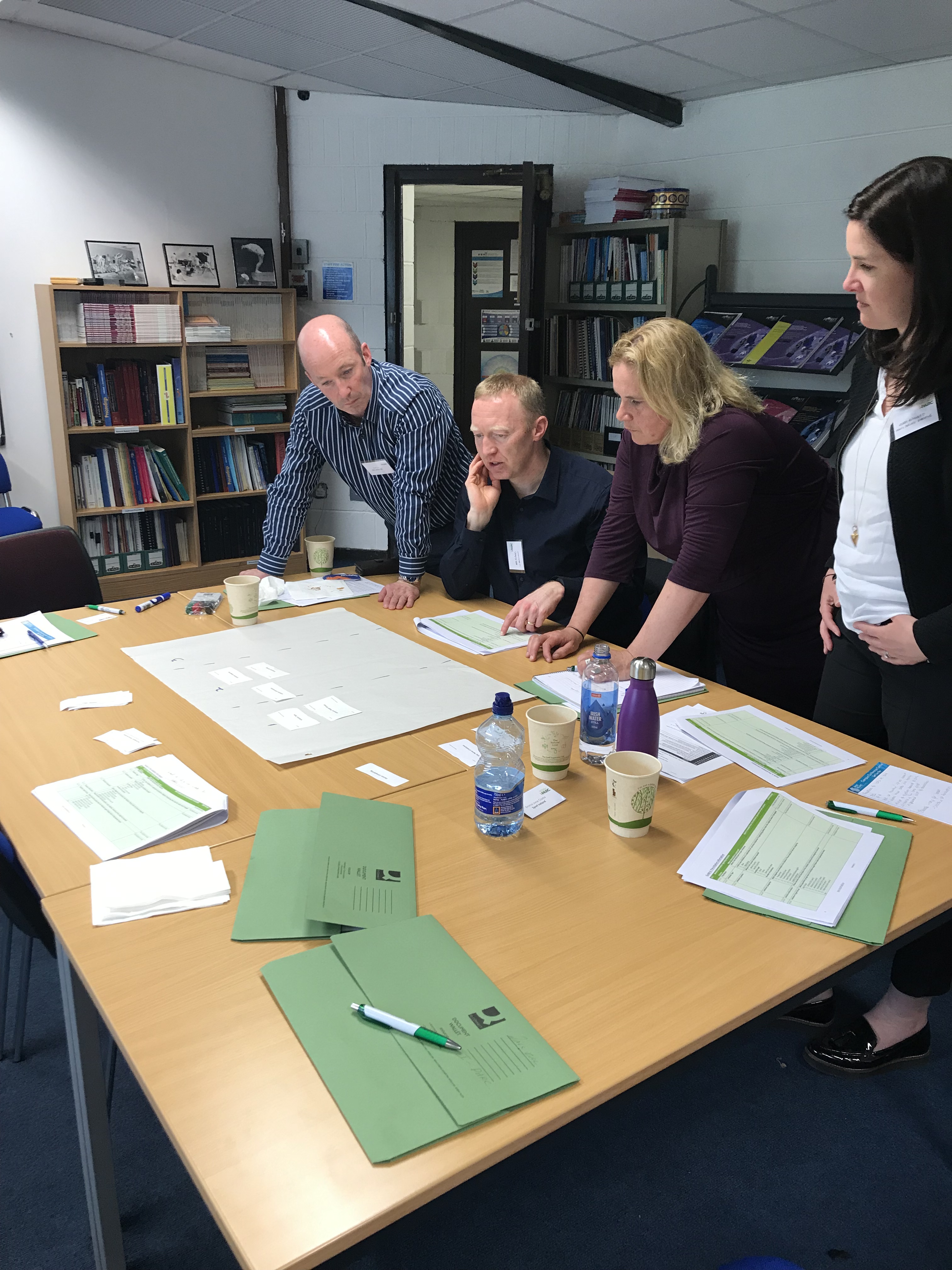
Each site held a broad stakeholder workshop, involving approximately 20 stakeholders per site on average. The Local Sports Partnerships used their established networks to identify relevant stakeholders who could bring different perspectives to the decision-making process. Within the workshop, stakeholders worked in small groups to consider candidate programmes in relation to:
- Alignment with the local context → feasibility → equity
Groups then fed their discussions back to the wider workshop. Through discussion and voting, the candidate programmes were reduced to the two programmes considered most appropriate for that site and population.
The process then moved from broad stakeholder expertise to the target audience. Each site held a target-audience focus group, involving approximately 10 participants per site on average. These were deliberately narrower than the stakeholder workshops – participants represented the population for whom the programme was ultimately intended.The target audience considered the two shortlisted programmes in relation to their acceptability and perceived effectiveness/relevance. Following discussion and voting, a final programme was selected. This resulted in five different programmes being selected for five different contexts:
| Site | Selected programme |
| Cork | The Daily Mile |
| Dublin | Community Walking Programme |
| Galway | Men on the Move |
| Limerick | MedEx IMPACT |
| Waterford | Prime Time of Life |
Programme developers were also part of the process.Importantly, I-PARC had contacted the programme founders/developers before work package 1. Their involvement provided programme-specific expertise throughout the process. In particular, they helped identify and clarify the core components/core functions of their programmes. This became particularly important when the process moved into adaptation. The intention was not to change programmes indiscriminately to fit each setting. Instead, the principle was: protect the programme’s core functions/ingredients while allowing the forms or methods through which those functions were delivered to be adapted to the local context.