 Work Package 2 – Adaptation, Barriers and Mitigation Strategies
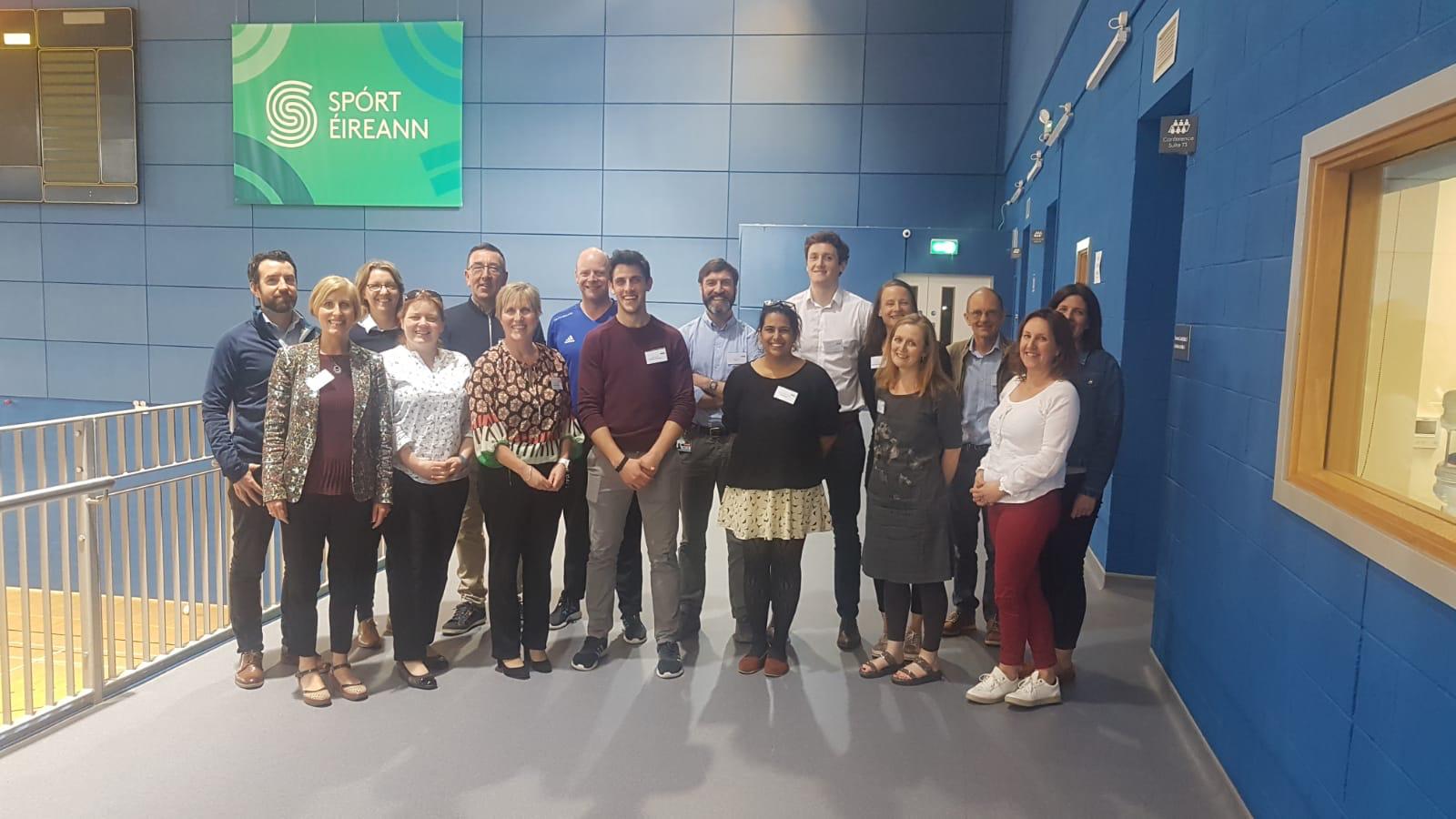
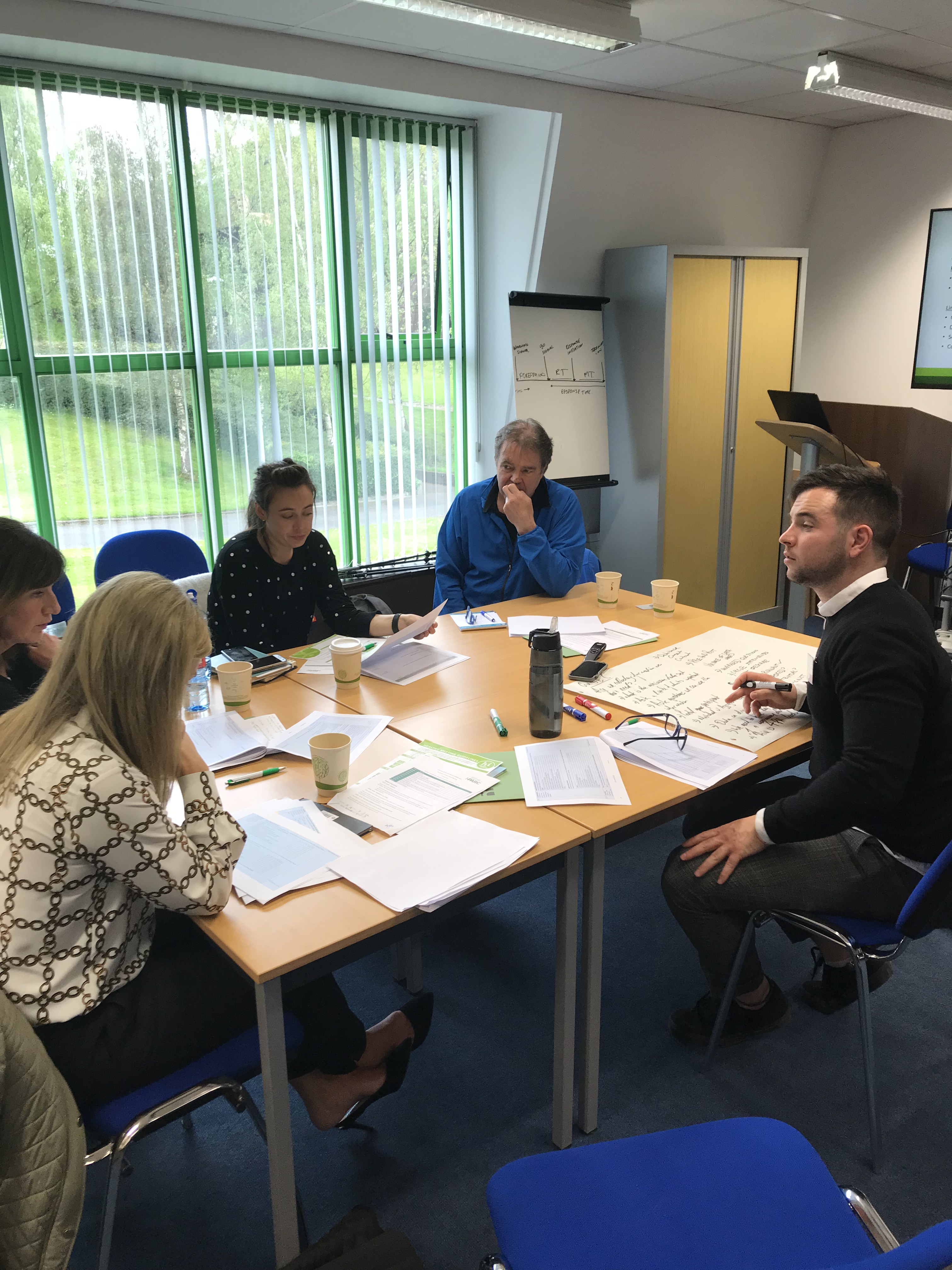
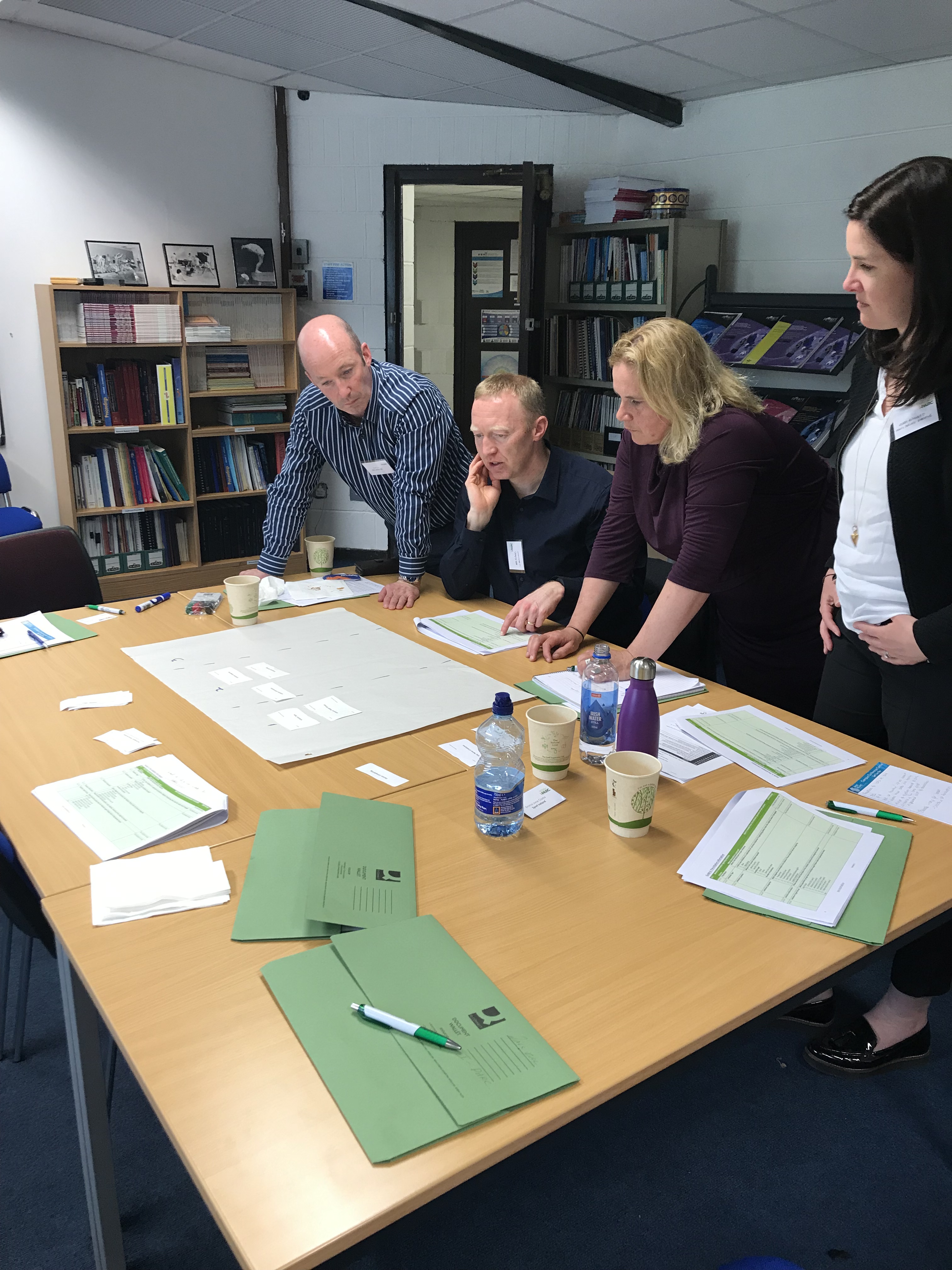
Once each site had selected its programme, the process moved from “What should we implement?” to “How do we make this work here?”. Each site again brought together a broad stakeholder group in workshops, with approximately 20 participants per site on average. These workshops focused on four interconnected tasks:
- Adapt the programme → establish the implementation goal → identify barriers → develop mitigation/implementation strategies
The adaptations were generated by stakeholders themselves, rather than being predetermined by I-PARC. Across the five sites, stakeholders proposed an average of approximately 8 adaptations per site. The workshops then considered what could prevent successful implementation. The Consolidated Framework for Implementation Research (CFIR) was used to help stakeholders think systematically and categorise different types of implementation barriers. Importantly, CFIR wasn’t simply applied afterwards by the research team to classify what people had said. It was used within the process to help stakeholders consider different sources and types of barriers. Stakeholders then developed potential mitigation/implementation strategies in direct response to those barriers, producing approximately 13 strategies per site on average.
Therefore, the project theory was:
- Local adaptation → Implementation goal → Barrier → Mitigation strategy
The workshop did not automatically determine what would ultimately be implemented. Following each workshop, I-PARC produced a report and returned the findings to the site team. The site team then considered the proposed adaptations from its own implementation perspective. In particular, it considered questions such as:
- Is this adaptation actually feasible here?
- Can we realistically deliver it?
- Can its effectiveness/impact be assessed?
- Which proposed adaptations should be prioritised?
This was important because stakeholders could generate ideas, but the local implementation team had practical knowledge of what could genuinely be delivered within its setting. Relevant barriers and mitigation strategies were then brought to another target-audience focus group, again approximately 10 participants per site. The target audience considered the acceptability and perceived effectiveness of the proposed approaches and could also identify things that had been missed — the additional “golden nuggets” that might not have emerged from professional or organisational stakeholders.The site then made the final decision, taking account of the stakeholder workshop, target-audience input and its own assessment of local feasibility.
So the decision-making process was deliberately iterative:
- Stakeholders generate → site assesses feasibility → target audience assesses acceptability/relevance → site makes final implementation decision.