Implementation Science for All: Reflections from the Dutch Implementation Science Symposium 2026
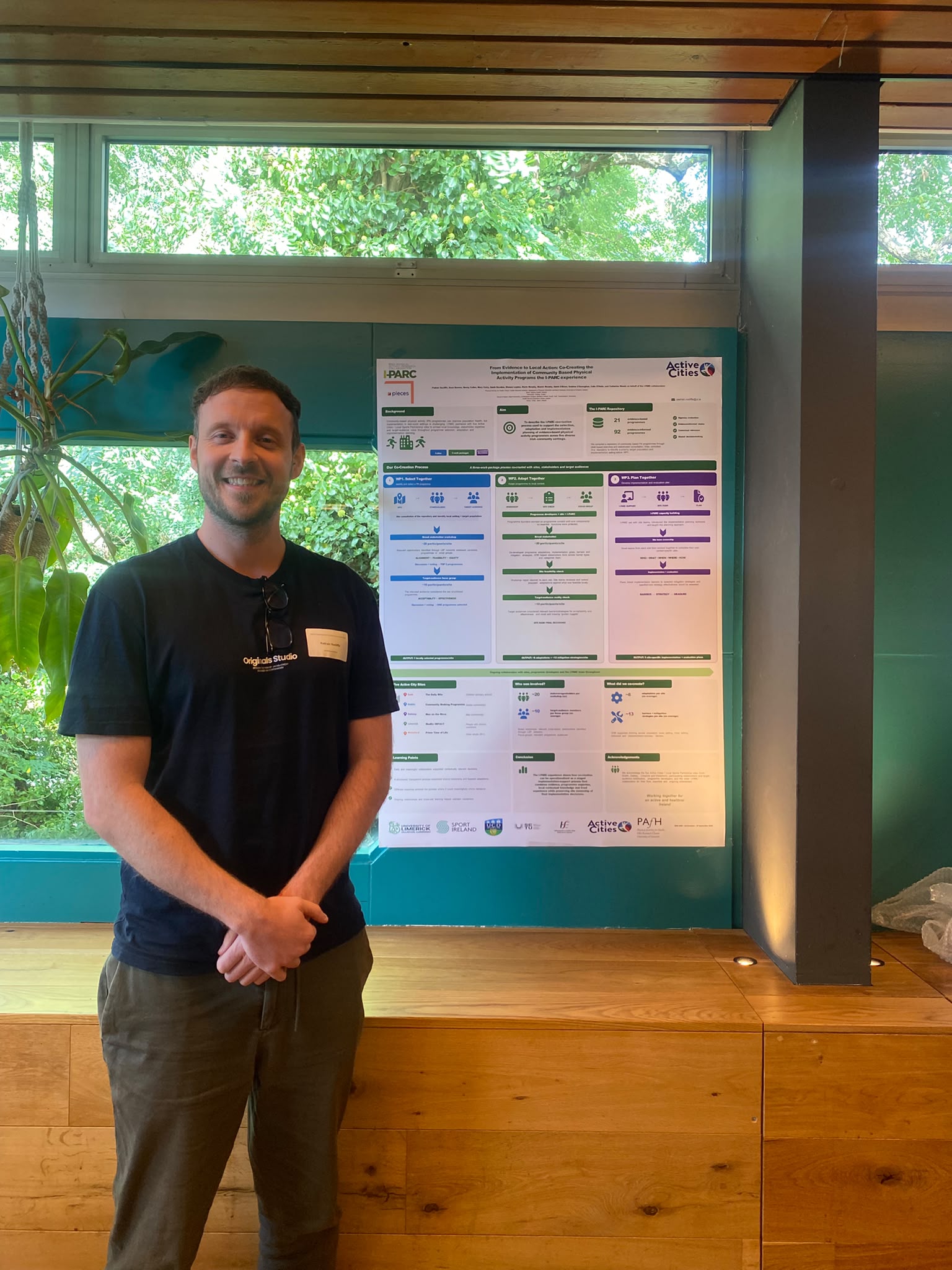
In this blog post, postdoctoral researcher Padraic Rocliffe relays learnings and reflections from his recent attendance at the Dutch Implementation Science Symposium, where he presented I-PARC’s co-created approach to implementing community physical activity programmes:
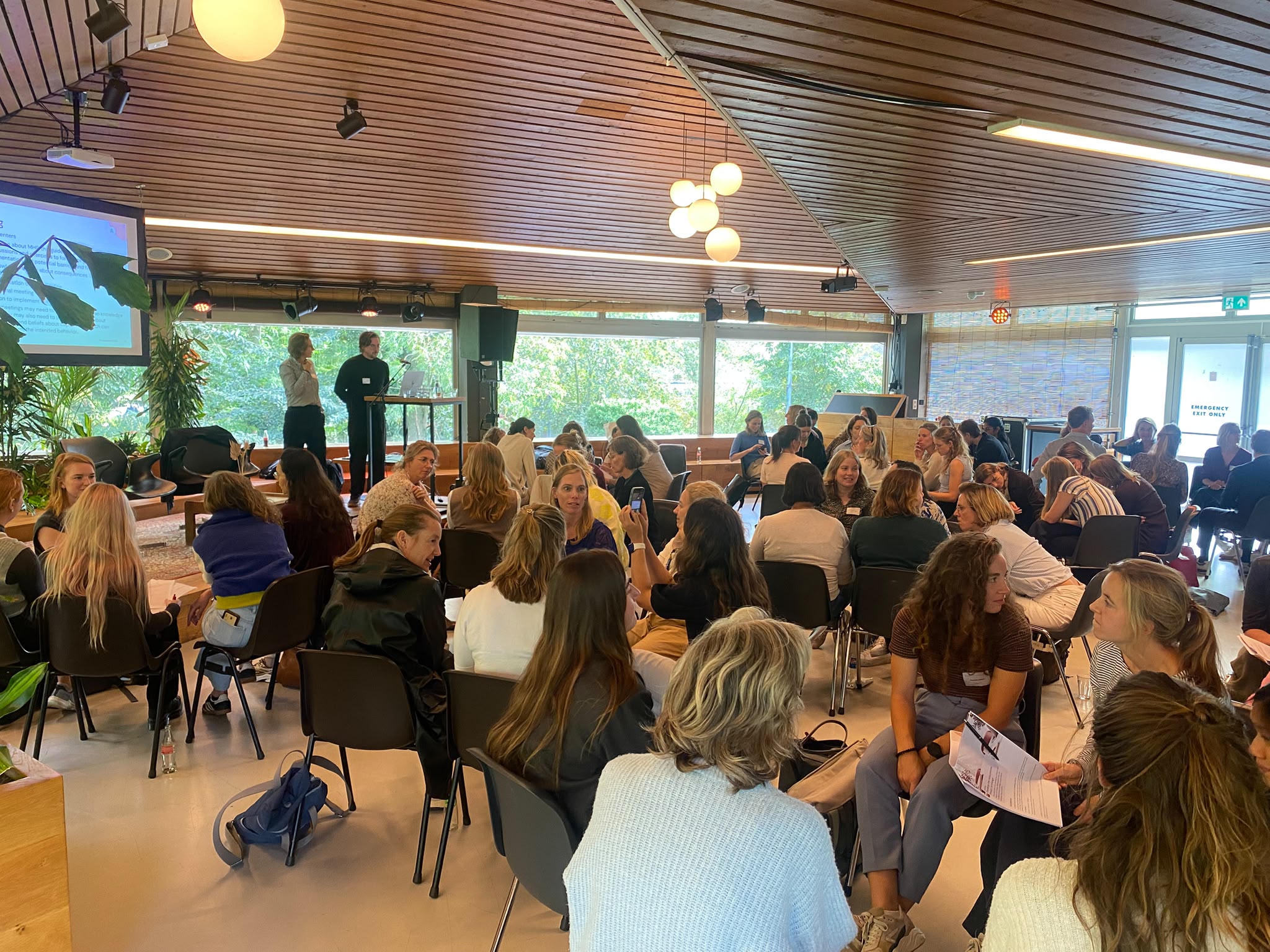
On 18 September, I attended the Dutch Implementation Science Symposium in Amsterdam as a postdoctoral researcher with the Irish Physical Activity Research Collaboration (I-PARC). This year’s symposium centred on the theme “Implementation Science for All – Towards Equitable and Adaptive Practice”, bringing together researchers and practitioners to consider how implementation science can better account for equity, context and adaptation.
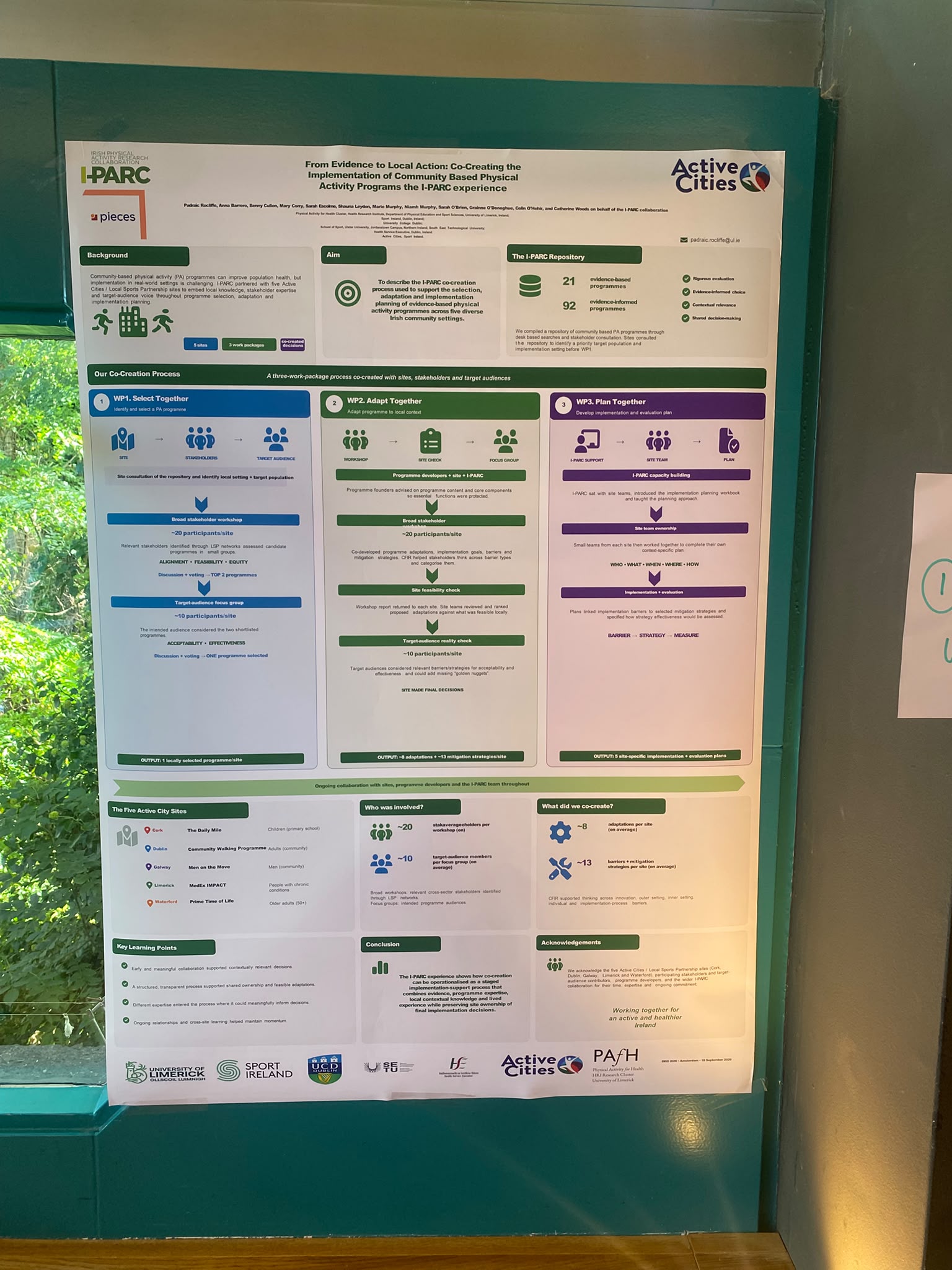
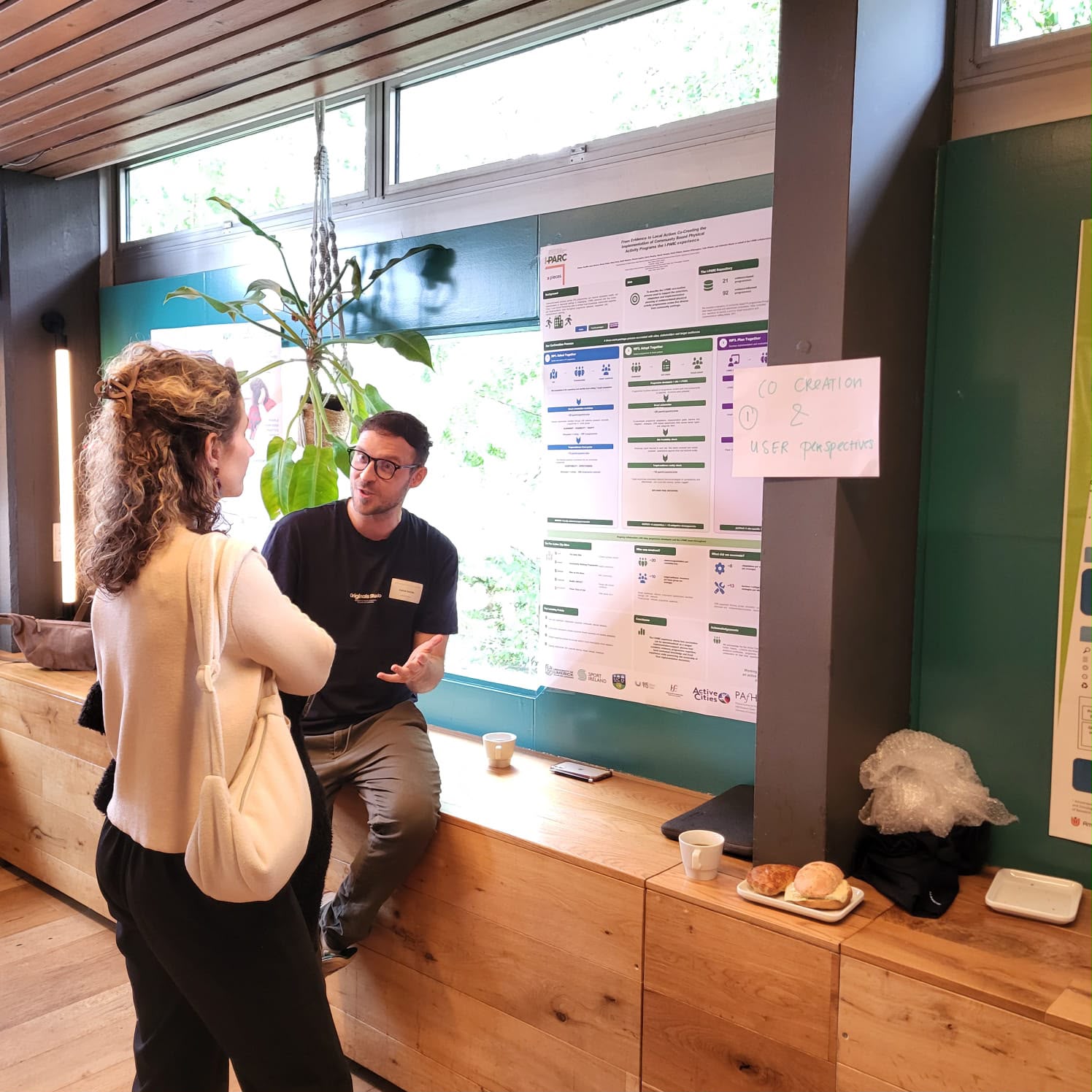
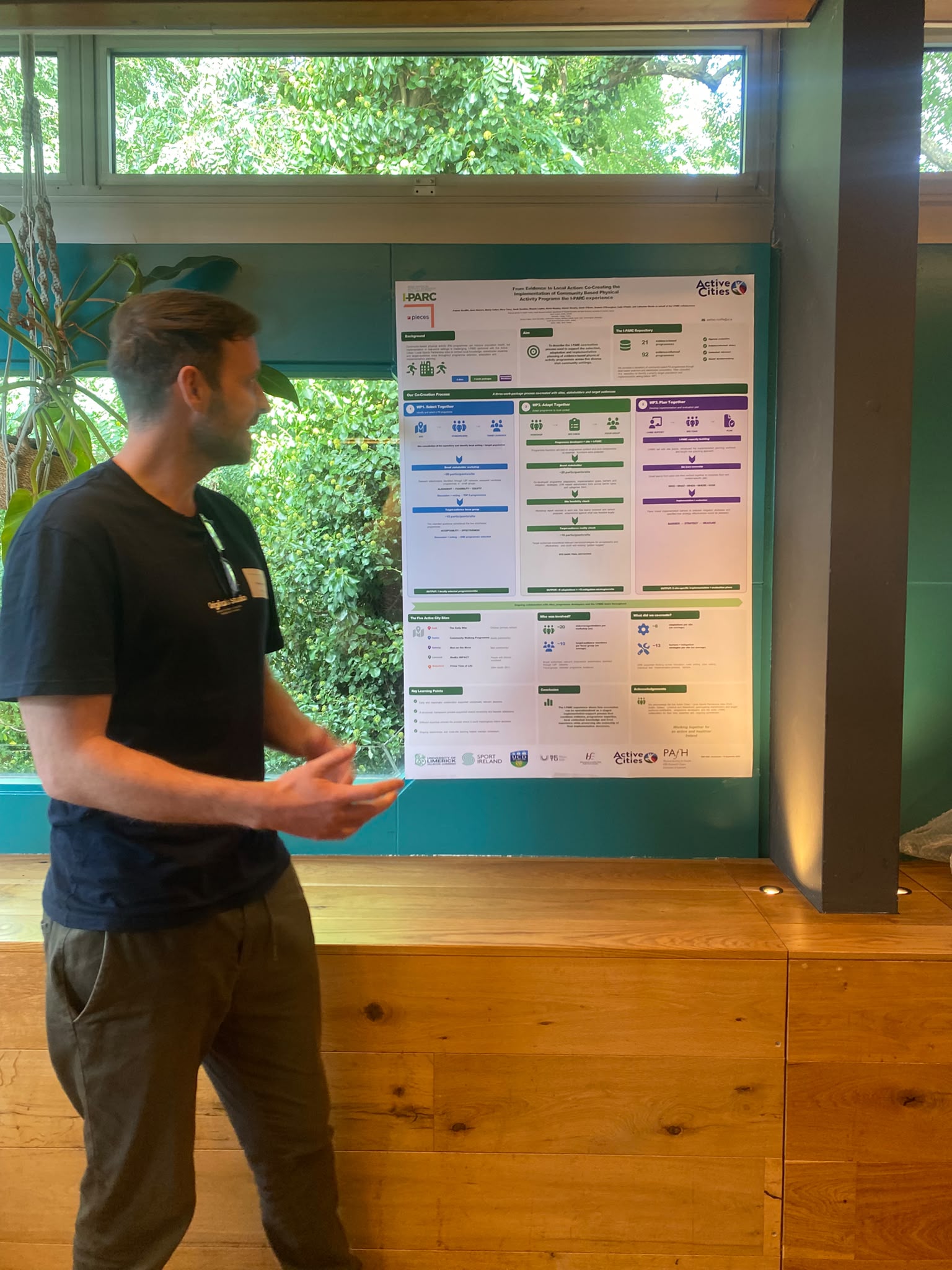
I also had the opportunity to present our I-PARC work, From Evidence to Local Action: Co-Creating the Implementation of Community Based Physical Activity Programs – the I-PARC experience. The poster described our co-creation process across five Irish community settings, where I-PARC has worked with Active Cities and Local Sports Partnership sites to incorporate local knowledge, stakeholder expertise and target-audience perspectives into programme selection, adaptation and implementation planning.
Presenting this work alongside the symposium programme provided a useful opportunity to reflect not only on what we are doing within I-PARC, but on some broader questions: Who benefits from implementation? Who might we unintentionally leave behind? And how can we better understand why our implementation strategies work, for whom, and under what circumstances?
Moving from implementation to equitable implementation
The opening keynote, delivered by Prof. Ross Brownson and Dr Meike van Scherpenzeel, asked a challenging question: “Health equity and implementation science: Is it time for a new approach?”
One of my main takeaways was that implementation does not occur in isolation. Interventions are introduced into complex systems, influenced by individual, organisational, community and wider environmental factors. Consequently, demonstrating that an intervention has been successfully implemented does not necessarily mean that it has been implemented equitably.
The example of falls prevention in older adults illustrated this particularly well. There may be hundreds of identified risk factors and effective interventions available, but their existence does not guarantee equitable benefit. Some people may be unable to access an intervention, unable to afford participation, or may simply not perceive it as relevant or valuable to them.
This changes how we think about reach. Rather than asking only how many people participated, implementation researchers should also be asking who participated, who did not, and why?
This resonated strongly with our current I-PARC work. During the programme-selection stage, sites do not simply select an evidence-based intervention. Broad stakeholder groups consider candidate programmes in relation to alignment, feasibility and equity, before members of the intended target audience consider the shortlisted programmes in terms of acceptability and effectiveness.
The message I took from Amsterdam was that this consideration of equity needs to continue throughout the implementation journey rather than being confined to programme selection or evaluated retrospectively.
Implementation for all does not mean implementing everything in the same way
A phrase captured in my notes from the symposium was:
“Implementation for all does not mean implementation for everyone.”
For me, this captured an important distinction between equality and equity that ran throughout the day.
If populations experience different barriers to participation and implementation, providing the same programme, resources or implementation strategies to everybody will not necessarily produce equitable outcomes. Implementation strategies may themselves need to be responsive to different populations and contexts.
This theme continued in Dr Christiaan Vis’s afternoon keynote, “More knowledge, bigger gap? The equity paradox in implementation science.” It raised an uncomfortable but important question for the field: as our knowledge of implementation grows, how do we ensure that this knowledge reduces rather than inadvertently reinforces existing inequalities?
Again, there were clear parallels with I-PARC.
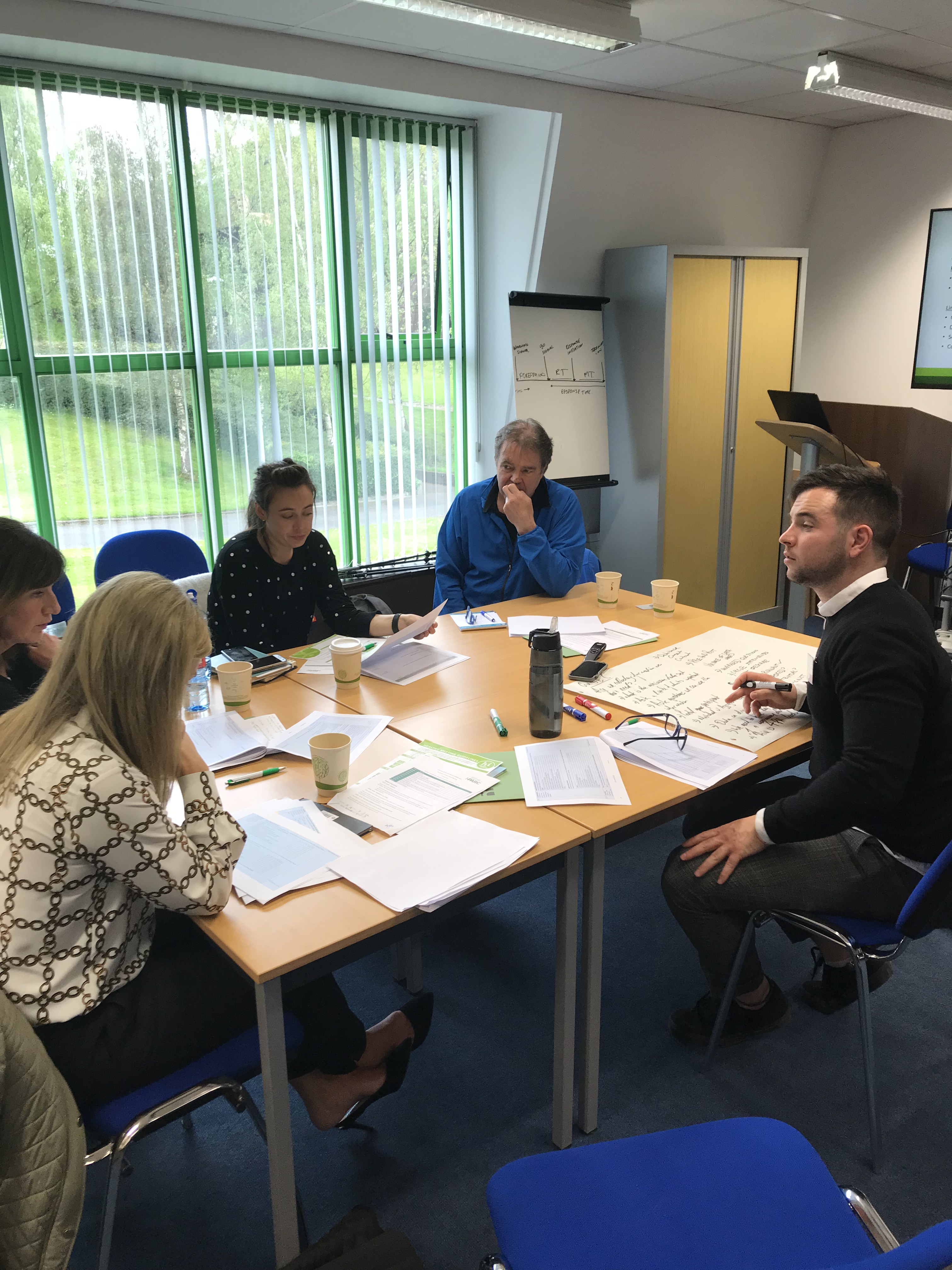
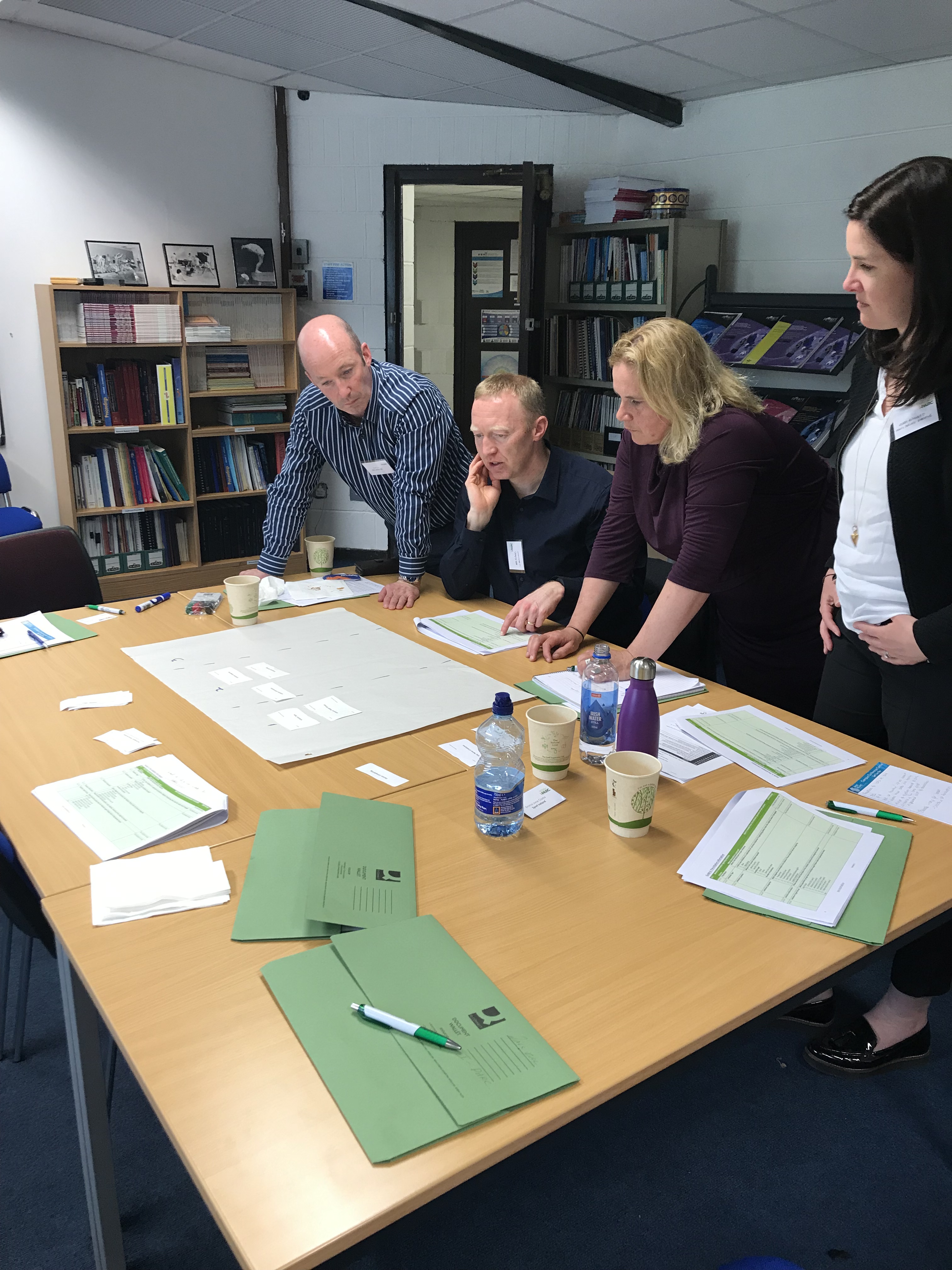
Our co-creation process intentionally moves through three stages: Select Together, Adapt Together and Plan Together. During adaptation, programme developers help identify the essential functions that need to be protected, while local stakeholders identify potential adaptations, implementation barriers and mitigation strategies. Sites then assess what is actually feasible locally, before members of the target audience provide a further “reality check” on proposed adaptations and strategies. Importantly, final decisions remain with the sites themselves.
Across five sites, this has resulted in different locally selected programmes, an average of approximately eight adaptations per site and around 13 barriers and associated mitigation strategies per site. Rather than variation necessarily representing a departure from implementation fidelity, the discussions in Amsterdam reinforced the potential importance of thoughtful adaptation as part of equitable implementation.
Co-creation, readiness and the people who make implementation happen
The parallel session on co-creation provided another important reminder: implementation is ultimately carried out by people within real systems.
Two ideas featured prominently in my notes: local readiness and champions.
Co-creation is unlikely to succeed simply because stakeholders have been brought into a room. Organisations and communities need sufficient readiness to take the work forward, while individuals who champion an intervention can be particularly important for maintaining momentum and supporting sustainability.
This is highly relevant to the later stages of the I-PARC process. In our third work package, I-PARC works alongside site teams to introduce implementation planning approaches and build capacity, but the site teams subsequently develop their own context-specific implementation and evaluation plans. Those plans specify who will do what, when, where and how, helping transfer ownership from the research team to those responsible for implementation locally.
Our experience to date has similarly highlighted the value of ongoing relationships and cross-site learning in maintaining momentum, while early and meaningful collaboration has supported locally relevant decision-making and shared ownership.
For sustainability, that ownership matters. The long-term objective cannot be for implementation to remain dependent on the researchers who initially supported it.
Moving beyond whether a strategy worked
My final session of the day was a workshop on process tracing methods, delivered by Lydia Kwak and Andreas Rödlund from Karolinska Institutet.
Process tracing offers a method for examining the causal processes connecting a particular cause with a particular outcome. For implementation science, this opens up an interesting question. Rather than simply establishing that an implementation strategy was introduced and an outcome subsequently changed, can we identify the processes through which that strategy actually contributed to change?
This has particular relevance to the next stages of our I-PARC work.
Our site-specific implementation and evaluation plans already explicitly connect barriers → strategies → measures, with sites identifying how the effectiveness of selected mitigation strategies might be assessed. Process tracing encouraged me to think one step further: what evidence would allow us to explain how and why a particular strategy produced—or failed to produce—the intended change?
That distinction between observing implementation outcomes and understanding the mechanisms producing them is something I am particularly interested in taking forward.
Bringing the learning back to I-PARC
Perhaps my biggest takeaway from Amsterdam was not a new framework or another implementation strategy to add to the toolbox. Instead, the symposium reinforced the importance of continually asking better questions throughout the implementation process.
Who are we reaching, and who are we missing? How do context and existing inequalities affect people’s ability to benefit? Do different groups or settings require different implementation strategies? Are local systems ready to take ownership? And do we really understand how and why the strategies we select produce the outcomes we observe?
These questions align closely with what we are trying to achieve through I-PARC. Our experience across five community settings has demonstrated how co-creation can bring together evidence, programme expertise, local contextual knowledge and lived experience while preserving local ownership of final implementation decisions.
The Dutch Implementation Science Symposium provided a valuable reminder that getting evidence into practice is only part of the challenge. The bigger ambition is to ensure that evidence is implemented in ways that are contextually appropriate, sustainable and equitable — so that implementation science really can be “for all.”
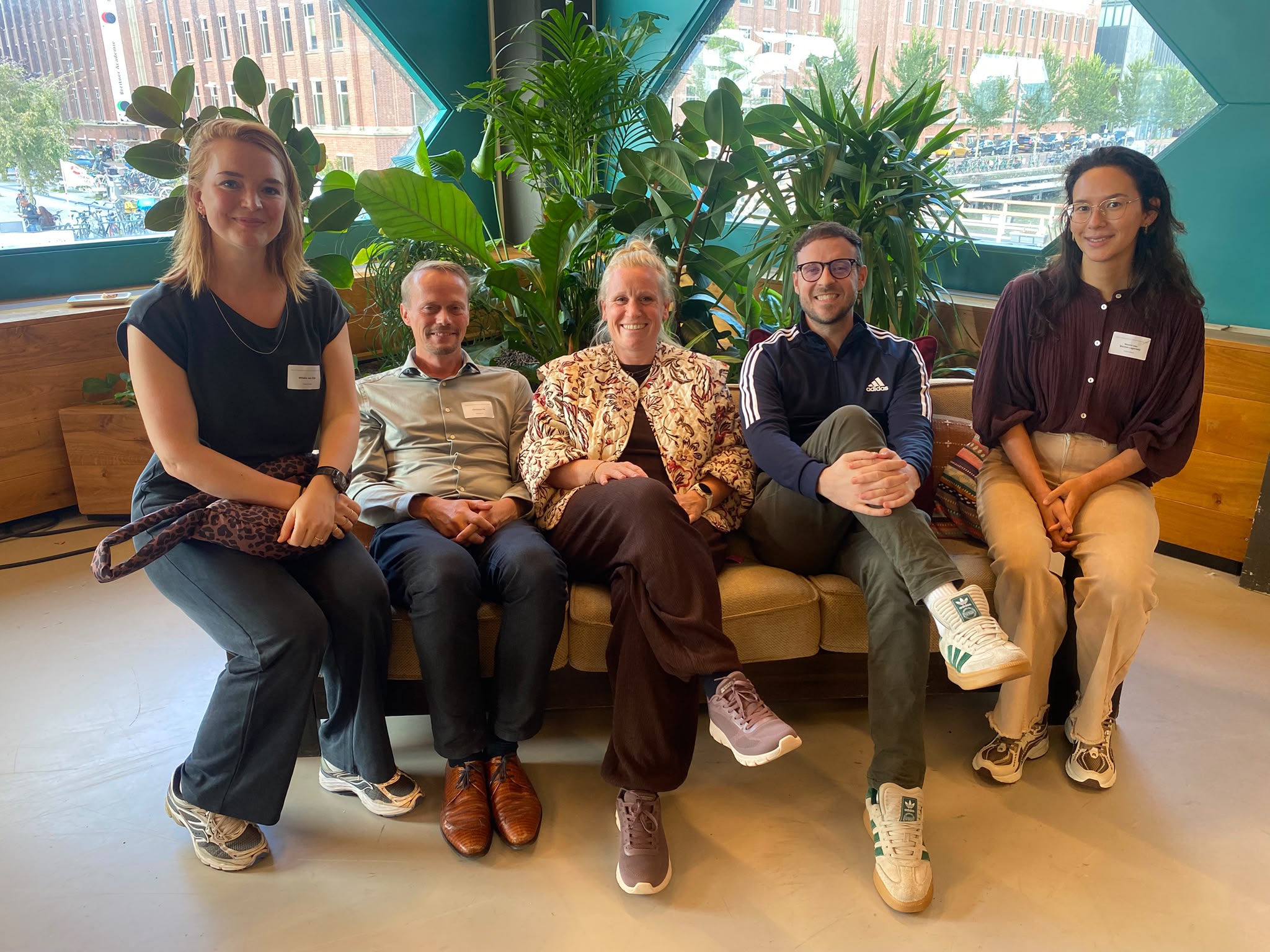
Photos from the Dutch Implementation Science Symposium 2026